Structures Built for High-Traffic Commercial Use
Commercial Concrete and Masonry in Bakersfield for businesses and industrial properties requiring durable structural and flatwork installations
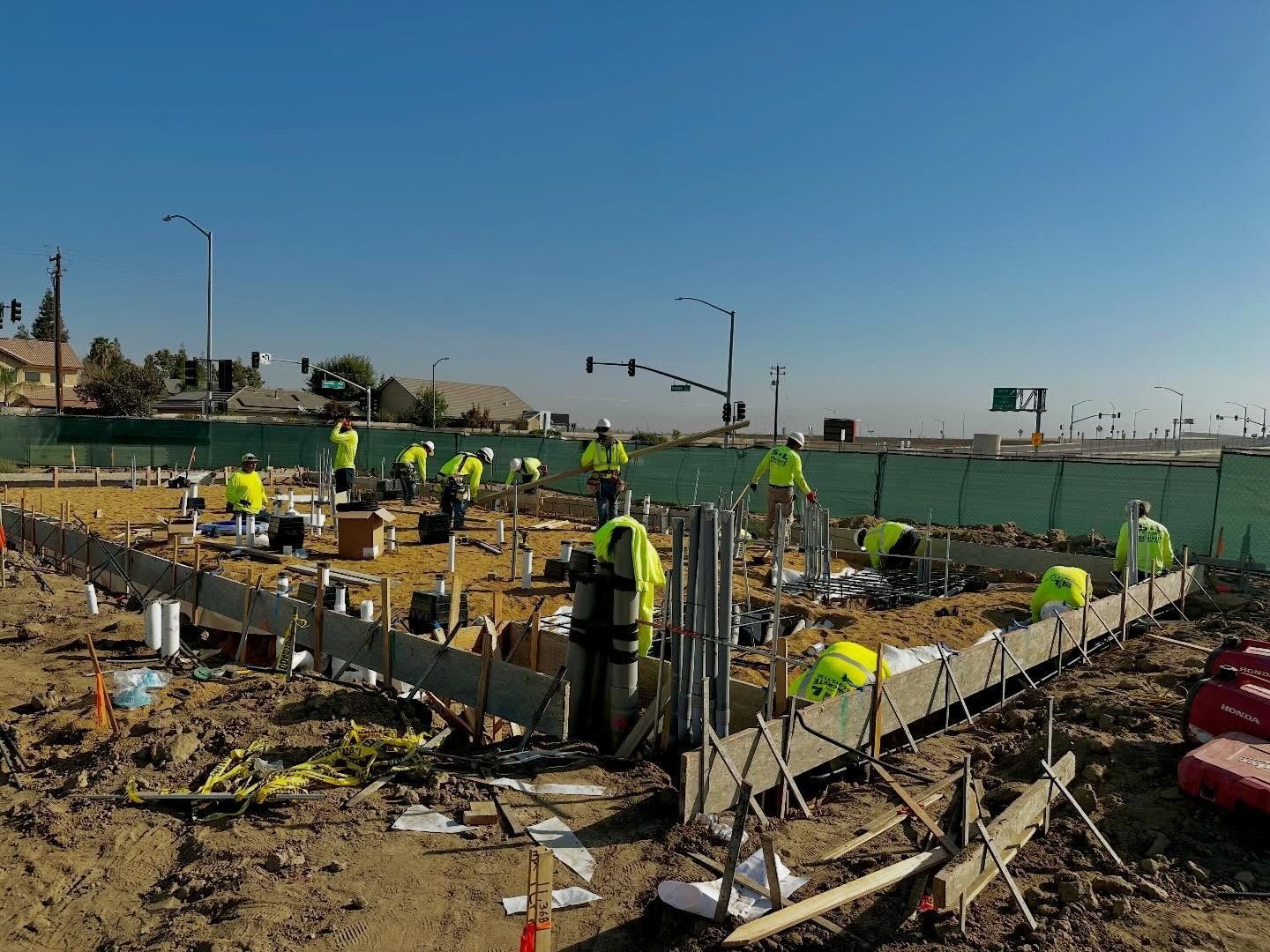
Commercial properties across Bakersfield face loading demands and traffic patterns that exceed residential construction standards, which is why structural concrete and masonry work for these spaces involves different material specifications and reinforcement strategies. S & L Concrete Inc handles concrete and masonry installations for business facilities, industrial sites, and development projects where the finished work must support heavy equipment, constant foot traffic, and operational stresses that would compromise standard residential construction. The work ranges from load-bearing structural elements and foundation systems to expansive flatwork surfaces designed for warehouse use or retail access.
Commercial installations incorporate engineered reinforcement layouts, specified concrete compressive strengths, and construction sequencing that accommodates business timelines while ensuring code compliance throughout inspection phases. Structural work involves footings, columns, beams, and walls that carry calculated loads, while flatwork includes parking lots, loading docks, and interior slabs designed for forklift traffic or heavy shelving systems. Each component requires coordination with local building departments to meet commercial zoning requirements and accessibility standards specific to Bakersfield.
Arrange an on-site consultation to review your commercial project scope and timeline requirements for accurate specification and bid development.
How Commercial Concrete Differs from Residential Work
Commercial projects require higher compressive strength concrete mixes, typically 4,000 PSI minimum compared to the 3,000 PSI standard for residential driveways, because the finished surfaces and structures support concentrated loads from machinery, storage systems, and continuous vehicle traffic. Reinforcement involves engineered rebar or post-tensioning systems rather than simple wire mesh, and placement schedules often work around business operations to minimize disruption. You're also dealing with inspections at multiple stages rather than a single final walkthrough.
When construction completes, you gain floors that don't crack under pallet jack traffic, foundation walls that support multi-story loading without settlement, and exterior flatwork that handles delivery truck traffic without spalling or surface deterioration. The concrete remains level across large spans, drainage slopes function as designed to move water away from building entries, and control joints are placed at calculated intervals to manage shrinkage cracking in predetermined locations rather than allowing random fractures across traffic paths.
Commercial masonry work includes block walls, structural CMU systems, and decorative veneer installations that serve as fire-rated separations, exterior cladding, or interior partition walls depending on building design. The installations must accommodate door frames, HVAC penetrations, and utility chases while maintaining structural integrity and meeting energy code requirements. Projects scale from small tenant improvements involving single walls to ground-up construction requiring complete foundation and structural systems before any interior build-out begins.
Common Questions About Commercial Concrete Projects
Commercial construction timelines, material specifications, and code compliance requirements differ substantially from residential work, so understanding these distinctions helps you plan accurately and avoid delays during permitting or inspection phases.
What preparation work happens before concrete placement on commercial sites?
Subgrade compaction must be verified through density testing, vapor barriers and reinforcement layouts are inspected by building officials, and formwork or screeds are set to exact elevations established by engineering drawings. Commercial flatwork in Bakersfield also requires coordination with utility installations, ensuring that conduit, plumbing, and drainage systems are positioned correctly before concrete encases them permanently.
How do loading requirements affect slab thickness and reinforcement?
Forklift traffic, pallet racking systems, and concentrated equipment loads generate point stresses that require thicker slabs with continuous rebar grids rather than the isolated reinforcement used in residential garages. A warehouse slab carrying 10,000-pound loads at each rack post needs engineered thickness, typically six inches minimum with rebar at mid-depth, compared to four-inch residential slabs with surface mesh.
Why does commercial work require multiple inspection phases?
Building departments verify rebar placement before concrete covers it, check compaction reports for subgrade preparation, inspect formwork for proper bracing, and review the finished surface for compliance with slope and elevation requirements. Each inspection must pass before the next construction phase begins, which affects scheduling and requires coordination between concrete placement and inspector availability.
When should commercial concrete work be scheduled relative to business operations?
Placement during off-hours or phased construction allows businesses to continue operations in unaffected areas, though cure time still requires restricted access to newly placed concrete for at least seven days. Projects in Bakersfield benefit from predictable weather that rarely delays outdoor concrete work, though summer heat requires measures to slow curing and prevent thermal cracking in large pours.
What documentation is required for commercial concrete installations?
Certified batch tickets showing concrete mix design, compressive strength test results from cylinder samples, and compaction test reports for subgrade all become part of the permanent building record. These documents verify that installed materials meet engineering specifications and provide liability protection for property owners during future inspections or refinancing evaluations.
S & L Concrete Inc coordinates permitting, inspection scheduling, and material testing to keep commercial projects moving through approval phases without unnecessary delays. Request a project estimate to review specifications and timelines for your commercial concrete or masonry installation.